
An American curriculum online school in South Africa delivers the United States K-12 educational system through digital platforms, allowing students to earn an American High School Diploma from home. The diploma is structured around credits earned across core subjects and electives over four years of high school (Grades 9-12).
For South African families, this pathway offers flexibility, self-paced learning, and international recognition, though it requires navigating specific requirements for local university admission through USAf exemption.
Understanding the American K-12 System
The American educational system differs fundamentally from South African schooling. Rather than following a nationally prescribed curriculum like CAPS, the US system is decentralised, with standards varying by state. However, common structures apply across accredited programmes:
Elementary School (Kindergarten through Grade 5) covers ages 5-11, focusing on foundational literacy, numeracy, and general knowledge across subjects.
Middle School (Grades 6-8) serves as a transition phase, introducing more subject-specific teaching while students develop study skills and independence.
High School (Grades 9-12) is where the credit system becomes critical. Students typically need 22-26 credits to graduate, distributed across core subjects (English, Mathematics, Science, Social Studies) and electives. One credit generally represents 150 hours of study in a subject.
The flexibility of the American system appeals to many South African homeschoolers. Unlike CAPS, which prescribes specific content for each grade, American curricula allow students to progress at their own pace, choose electives aligned with their interests, and potentially complete high school earlier or later than the standard timeline.
The American High School Diploma in South Africa
The American High School Diploma (AHSD) is an established international qualification representing completion of education from Kindergarten through Grade 12. For South African families, it offers a recognised alternative to the NSC, though the pathway to local university admission requires additional steps.
Credit requirements typically range from 22-26 credits depending on the issuing school. A college-preparatory or "Honors" pathway usually requires more credits and maintains higher GPA requirements. University-bound students in South Africa should aim for the Honors pathway with a minimum GPA of 3.5.
Core subjects are mandatory: English (4 credits), Mathematics (3-4 credits), Science (3 credits), and Social Studies (3 credits). The remaining credits come from electives, which might include foreign languages, arts, technology, business, or career-focused subjects.
Flexibility distinguishes the American approach. Students can often choose which specific courses fulfill requirements, select electives matching their interests, and work at their own pace. This makes the AHSD particularly attractive for students with learning differences, young athletes, performers, or families who travel frequently.
Accreditation: Why It Matters
Not all American curriculum providers are equal. Accreditation determines whether your child's diploma will be recognised by universities and employers.
Cognia (formerly AdvancED) is the largest accrediting body for American schools, formed from the merger of regional accreditors including NCA CASI, SACS CASI, and NWAC. Cognia is the first accreditor to designate performance-based accreditation statuses, which incentivize improvement and help stakeholders make better use of accreditation results. (Source: Cognia)
A Cognia-accredited diploma carries weight with US universities, the NCAA, and international institutions.
Regional accreditation from bodies like WASC (Western Association of Schools and Colleges), MSA-CESS (Middle States Association), or NEASC (New England Association) is essential for recognition. USAf specifically lists approved accreditation bodies for exemption purposes.
Why accreditation matters for South African students: Universities South Africa (USAf) requires that your American diploma come from a school accredited by an approved body. Without proper accreditation, your child's diploma may not qualify for exemption, closing doors to degree study at South African universities.
Before enrolling with any provider, verify their accreditation status directly with the accrediting body. Marketing claims aren't sufficient.
South African University Recognition
The American High School Diploma is recognised by USAf for university exemption, but the process differs from NSC or Cambridge pathways.
Exemption requirements for American diploma holders include one of three pathways:
- High School Graduation Diploma plus a certificate of eligibility for admission to any US university from an institution accredited by an approved body (WASC, MSA, NCA, SACS, etc.)
- High School Graduation Diploma plus at least two subjects passed at grade 3, 4, or 5 on Advanced Placement (AP) examinations
- High School Graduation Diploma plus qualifying SAT scores (currently a combined score requirement with sub-minimums in relevant areas) or ACT scores (mean of 22 with sub-minimums)
The practical reality: Most South African AHSD graduates pursuing university here will need to write the SAT. The SAT is a standardised test assessing mathematics and English, offered at multiple centres across South Africa on six dates throughout the year. It's not a qualification but an admission requirement for exemption purposes.
University acceptance: American diploma graduates from South Africa have been accepted at institutions including the University of Pretoria, University of Stellenbosch, North-West University, and various private institutions. However, acceptance isn't automatic. Universities evaluate applications on a case-by-case basis, and competitive programmes may have additional requirements.
The exemption process: After completing your diploma and obtaining qualifying SAT/AP scores, you apply to USAf's Matriculation Board for a certificate of exemption. This certificate, combined with your diploma and transcript, allows you to apply to South African universities for degree study.
NCAA Eligibility: A Unique Advantage
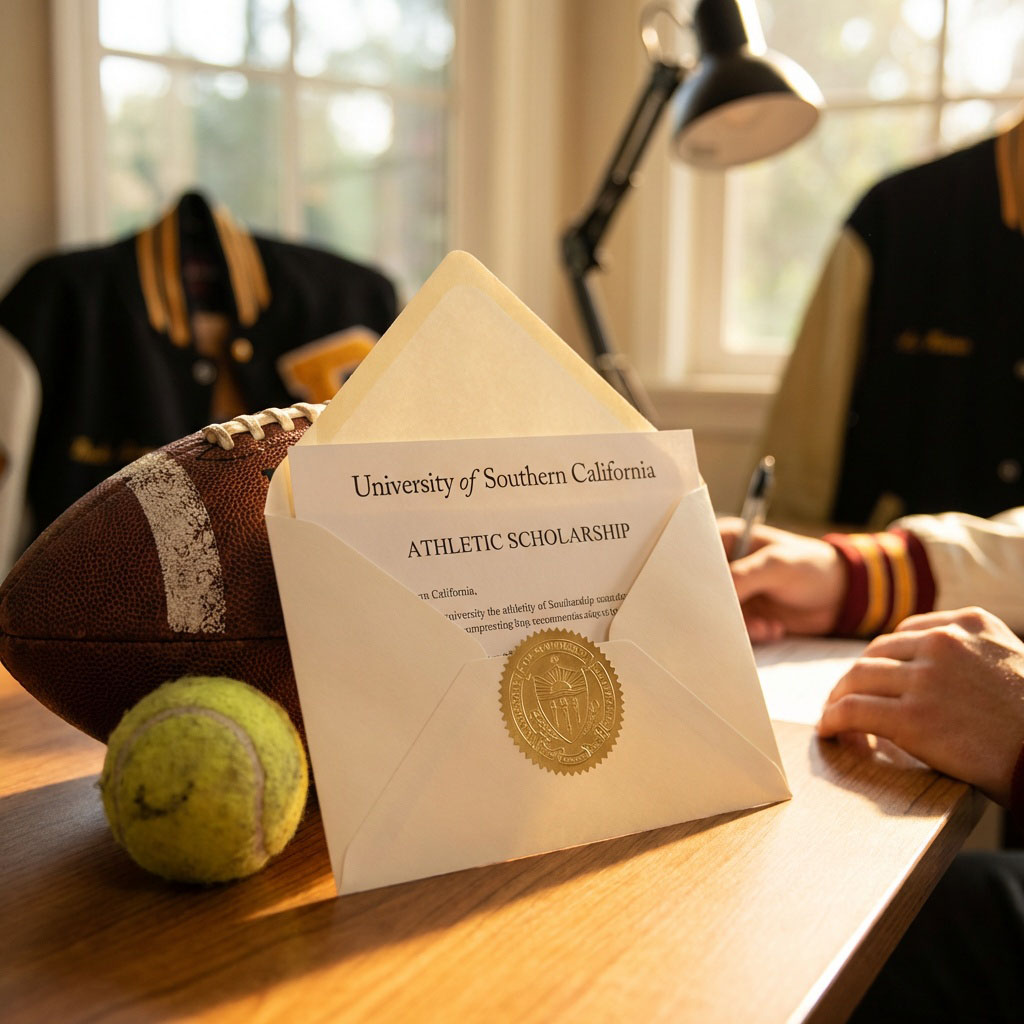
For student-athletes considering collegiate sports in the United States, the American curriculum offers a significant advantage. The NCAA (National Collegiate Athletic Association) governs eligibility for Division I and II college athletics.
Why it matters: South African students with NCAA-approved qualifications can compete for athletic scholarships at American universities. This pathway has become increasingly popular among talented young athletes in sports like golf, tennis, swimming, and track and field.
Eligibility requirements include completing 16 NCAA-approved core courses, maintaining a minimum GPA, and registering with the NCAA Eligibility Center. Students from accredited American curriculum schools have their courses evaluated against NCAA standards.
CambriLearn offers an American K-12 curriculum pathway with Cognia accreditation and NCAA-approved courses, making it one of the few South African providers specifically designed for students pursuing US collegiate athletics.
Starting early matters: The NCAA recommends registering with the Eligibility Center before Grade 9. International students must submit academic records, proof of graduation, and potentially translated documents. Planning ahead prevents last-minute complications.
How American Online Schools Work
American curriculum online schools in South Africa typically operate through partnerships between local support organisations and US-based accredited schools.
Umbrella schools (like Home Life Academy) offer maximum flexibility, allowing families to choose their own curriculum materials while the school provides transcripts, record-keeping, and the diploma. This approach suits families who want to customise their child's education.
Full-service online schools (like Acellus Academy or courses through providers like SwitchedOn Education) provide complete curriculum packages with structured lessons, assessments, and teacher support. This approach suits families wanting a more turnkey solution.
Local support comes from South African organisations that partner with US schools to provide administrative support, exam invigilation, and guidance through the exemption process. These organisations don't issue the diploma themselves but help families navigate the system.
Self-paced learning is a hallmark of most American curriculum programmes. Students can accelerate through material they grasp quickly and spend more time on challenging content. This flexibility makes the American pathway particularly suitable for students with learning differences, gifted learners, or those balancing academics with other commitments.
Choosing a Provider
Several factors distinguish quality American curriculum providers:
Accreditation verification is non-negotiable. Confirm the school holds current accreditation from a USAf-approved body. Ask for accreditation certificates and verify directly with the accrediting organisation.
USAf recognition track record matters. Has the provider successfully guided students through the exemption process? Can they provide references from families whose children have gained university admission?
Support levels vary dramatically. Some providers offer comprehensive support including academic advising, transcript management, exam coordination, and exemption guidance. Others provide minimal support, leaving families to navigate complex requirements independently.
NCAA course approval is essential for student-athletes. Not all American curriculum courses are NCAA-approved. If your child has athletic aspirations, verify that courses meet NCAA standards before enrolling.
Cost transparency helps you budget accurately. Understand what's included in fees and what's additional. SAT registration, AP examinations, exemption application fees, and graduation packages often carry separate costs.
Curriculum quality affects learning outcomes. Evaluate the actual course content, not just marketing materials. Many providers offer trial periods or sample lessons.
Is the American Curriculum Right for Your Child?
The American pathway suits certain situations better than others:
Good candidates:
- Students who thrive with self-paced, flexible learning
- Young athletes pursuing US collegiate sports opportunities
- Families who travel frequently or live abroad temporarily
- Students with learning differences who need accommodations
- Learners who want to customise their education around specific interests
- Students planning to study in the United States
Consider alternatives if:
- Your child needs significant external structure and daily teacher interaction
- You want the most straightforward path to South African university (CAPS/NSC is simpler)
- Your child struggles with English (all instruction and assessment is in English)
- Budget is extremely tight (American pathways often carry higher total costs when including SAT preparation and examination fees)
The American diploma isn't automatically "easier" than NSC or Cambridge. The flexibility is an advantage for some learners and a challenge for others who need more structured accountability.
Frequently Asked Questions
Is the American High School Diploma the same as the GED?
No, they're fundamentally different qualifications. The American High School Diploma represents completion of a full four-year high school programme (Grades 9-12), typically requiring 22-26 credits across multiple subjects. The GED (General Education Development) is a set of four tests that adults can take to demonstrate high school equivalency. While both can lead to university admission, the diploma represents a complete educational journey, while the GED is an equivalency test. For South African university purposes, both require exemption through USAf, but the pathways and requirements differ.
Can my child switch from CAPS to the American curriculum mid-high school?
Yes, though the transition requires careful planning. American schools evaluate previous coursework and assign credit equivalencies. A student who has completed Grade 10 CAPS might receive credit for some American requirements while needing to complete others. The earlier you switch, the more straightforward the transition. Switching in Grade 11 or 12 is more complex and may extend the time to graduation. Consult with your intended American provider about credit transfer policies before making the switch.
Do South African universities prefer NSC over American diplomas?
Universities don't formally prefer one qualification over another. All accepted qualifications (NSC, Cambridge, American, etc.) are evaluated according to their specific criteria. However, NSC graduates have a simpler path to admission since they don't require exemption certificates. American diploma holders must obtain exemption through USAf and typically need SAT scores, adding steps to the process. Once exemption is granted, your diploma carries equal weight for admission purposes. The key is ensuring you meet all requirements for your chosen programme.